In a recent study published in Behavioral and Brain Functions, scientists have delved into the interplay between fear and greed, revealing intriguing insights into our brain’s workings. By examining how individuals’ brains react to negative emotional faces, the research sheds light on the neurological underpinnings of dispositional greed, offering a novel perspective on the age-old adage of fear and greed driving human behavior.
The scientific investigation was motivated by the desire to bridge a gap in our understanding of the neurobiological roots of greed, especially outside the financial realm. While fear often leads to defensive actions, greed pushes individuals towards risk-taking and aggressive behaviors.
This divergence, particularly evident in financial decision-making, suggests a complex relationship between our emotional responses and behavioral outcomes. The researchers aimed to explore this relationship further by focusing on how the brain’s reaction to negative emotions relates to greed.
“Greed is an extremely critical theme in the history of human development,” said study author Qiang Wang, a professor at Tianjin Normal University in China. “It has attracted the attention from many disciplines, including philosophy, religion, economics, and psychology.”
“With the development of brain imaging techniques such as fMRI, EEG, and MEG, we have an opportunity to comprehensively understand its cognitive and neural mechanisms. However, the studies using these neuroscience techniques are relatively few, and my personal interest on this topic further drives me to conduct experiments focusing on greed.”
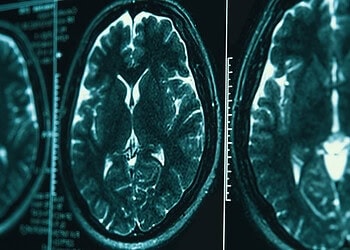
For their study, the researchers recruited 452 college students, with the participants’ ages ranging between 18 and 26 years. These individuals were divided into two cohorts: one that underwent a task-based fMRI scan while engaging in a face-matching task (Cohort 1) and another that participated only in resting-state fMRI scanning (Cohort 2).
Prior to the scanning sessions, all participants were assessed for their level of greed using the 7-item Dispositional Greed Scale (DGS), a validated tool designed to measure greed as a personality trait. This scale helped the researchers quantify the tendency to act greedy, facilitating a correlational analysis with neural activity.
The face-matching task, employed with Cohort 1, was chosen for its efficiency and low-cost in terms of time for investigating basic emotional responses like fear and anger. Participants in this cohort were shown a trio of faces and asked to select one of two faces at the bottom of the screen that matched the target face displayed at the top.
This task included blocks of fearful, angry, and neutral faces, designed to elicit brain reactivity to negative emotional faces without imposing domain-specific biases. The task’s structure — interleaving blocks of face matching with blocks of a shape-matching sensorimotor control task — allowed for a clear comparison between emotional and non-emotional processing in the brain.
Contrary to what might be expected based on previous research, the researchers did not find a direct association between the amygdala’s reactivity to negative emotional faces and dispositional greed. The amygdala is known for its role in processing emotional stimuli, particularly fear and anger.
A pivotal discovery of the study was the significant relationship between the ventromedial prefrontal cortex (vmPFC) reactivity to negative emotional faces and dispositional greed. Specifically, individuals with higher levels of dispositional greed exhibited altered reactivity in the vmPFC when faced with negative stimuli, suggesting a unique neural basis of greed that differs from the traditional understanding of fear-driven behaviors.
Further illuminating the study’s findings were the observations regarding functional connectivity between the vmPFC and other brain regions. The research found that individuals with higher greed levels demonstrated weaker functional connectivity between the vmPFC and regions associated with top-down control and visual processing when engaging with negative emotional stimuli. This pattern indicates that greed may involve a diminished regulation of negative emotions, as well as altered processing of emotional and social cues, pointing to a broader network of brain regions involved in the manifestation of greed.
“Greedy people are not as happy as we imagine,” Wang told PsyPost. “The possible mechanism might depend on the neural response to negative emotion faces, especially in the ventromedial prefrontal cortex but not the amygdala.”
These findings lay the groundwork for future research aimed at unraveling the intricate neural networks that govern greed and its effects on human behavior. By pinpointing the vmPFC as a key region associated with greed, the study opens new avenues for understanding the brain mechanisms linked to selfish behaviors.
While the study offers groundbreaking insights, it also has limitations, such as its focus on a specific demographic (college students) and the use of a singular task for emotional elicitation. These factors highlight the need for further research involving diverse populations and varied methodologies to fully understand the neural dynamics of greed.
“I will continue to unveil the neural substrates underlying greed, especially focusing on the emotion, reward, and top-down control networks as well as possible non-invasive neural stimulation to modulate individual greed level on money and materials,” Wang said.
The study, “Reactivity of the ventromedial prefrontal cortex, but not the amygdala, to negative emotion faces predicts greed personality trait,” was authored by Kun Deng, Weipeng Jin, Keying Jiang, Zixi Li, Hohjin Im, Shuning Chen, Hanxiao Du, Shunping Guan, Wei Ge, Chuqiao Wei, Bin Zhang, Pinchun Wang, Guang Zhao, Chunhui Chen, Liqing Liu, and Qiang Wang.